

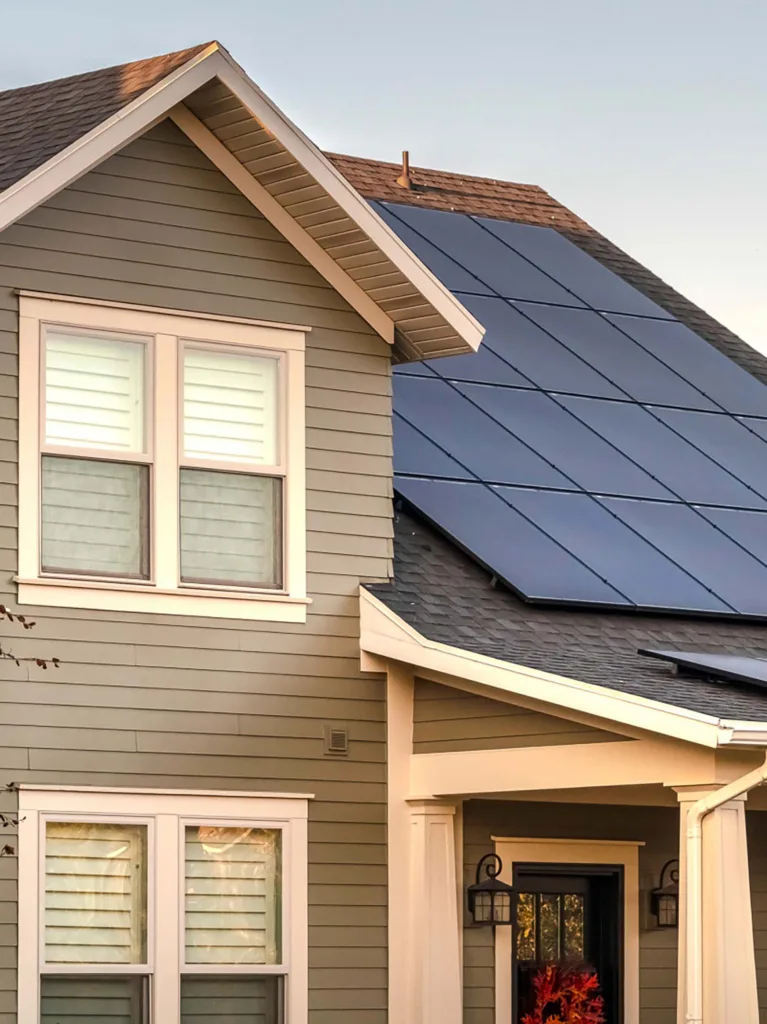
Let’s be real for a second. Your home is probably your biggest investment. And lately, it feels like the weather is out to get it. From flash floods in places that never flooded before to heatwaves that crack foundations, the stakes are higher than ever. But here’s the good news: you don’t have to face this alone. There’s a growing tool in the financial toolbox called climate resilience loans. And honestly? They might just be the smartest upgrade you never knew you needed.
What Exactly Are Climate Resilience Loans?
Well, they’re not your typical home improvement loan. Think of them as a specialized financial product designed to help homeowners retrofit their properties against extreme weather. We’re talking about things like flood barriers, wildfire-resistant roofing, reinforced windows, and even heat-reflective paint. These loans often come with favorable terms—lower interest rates, longer payback periods, or even forgivable portions—because they’re backed by government programs or green banks.
In fact, many of them are part of a larger push to reduce disaster recovery costs. Because, you know, it’s cheaper to prevent damage than to rebuild after a hurricane. That’s the logic. And it’s solid.
Why Now? The Rising Cost of Doing Nothing
Here’s a stat that might stick with you: according to NOAA, the U.S. has seen over 28 separate billion-dollar weather disasters in just the last few years. That’s not a fluke. That’s a pattern. And if your home is in a flood zone, a wildfire corridor, or even just an area prone to severe storms, you’re on the front lines.
But here’s the thing—insurance isn’t always enough. Policies are getting pricier, and coverage gaps are real. A climate resilience loan helps you close that gap. It’s like buying a shield for your castle before the dragon shows up. Proactive, not reactive.
Types of Upgrades You Can Fund
Not sure what qualifies? Here’s a quick list of common projects that these loans typically cover. And yeah, they vary by lender, but the core idea is consistent.
- Flood-proofing: Installing sump pumps, backflow valves, and elevating HVAC systems.
- Wildfire defense: Ember-resistant vents, non-combustible siding, and Class A roofing.
- Heat mitigation: Cool roofs, attic insulation, and energy-efficient windows that reflect solar heat.
- Storm hardening: Impact-resistant windows, reinforced garage doors, and roof tie-downs.
- Water conservation: Rainwater harvesting systems and drought-tolerant landscaping (often bundled with resilience).
Some programs even let you bundle energy efficiency upgrades with resilience measures. Double win, right?
Where Do You Find These Loans? (And How Do They Work?)
Alright, so you’re interested. But where do you actually apply? Well, it’s not like walking into a bank and asking for a car loan. You’ve got a few paths.
Government-Backed Programs
FEMA offers something called the Hazard Mitigation Assistance grants, but those can be competitive. More accessible are state-level programs. For example, California’s Wildfire Hardening Loan Program or New York’s Resilient Homes Program. These often partner with local credit unions or community banks.
Green Banks and Credit Unions
Green banks are mission-driven lenders. They specialize in climate-friendly projects. Interest rates can be as low as 3–5% for qualified borrowers. Some even offer deferred payments for low-income households. It’s worth checking out the Coalition for Green Capital to see if there’s one near you.
Private Lenders with a Twist
Some online lenders now offer “resilience-specific” loan products. They’re not as cheap as government-backed ones, but they’re faster and less paperwork-heavy. Just watch out for origination fees and variable rates. Pro tip: compare APR, not just the monthly payment.
How to Qualify (and What Lenders Look For)
Qualifying isn’t rocket science, but it helps to come prepared. Most lenders will check:
- Your credit score (usually 620+ for decent rates)
- Your home’s current risk level (flood zone maps, wildfire hazard scores)
- The estimated cost of upgrades (you’ll need a contractor quote)
- Your income and debt-to-income ratio
One thing that’s cool: some programs don’t require perfect credit. They’re designed to help vulnerable communities. So if your score is a little rough around the edges, don’t assume you’re out of luck.
A Real-World Example (Sort of)
Imagine you live in a suburban area that’s seen two “100-year floods” in the last five years. Your basement floods every time it rains hard. You get a quote for $15,000 to install a French drain, a sump pump with battery backup, and seal the foundation cracks. A climate resilience loan covers 90% of it, at 4% interest over 10 years. Your monthly payment? About $150. Compare that to the cost of replacing a ruined basement—easily $30,000 or more. That’s the math that matters.
Common Misconceptions (Let’s Clear the Air)
I hear people say, “Oh, that’s just another loan.” And sure, it is. But it’s also an investment in your home’s future value. Some upgrades can lower your insurance premiums. Others can increase your property’s resale appeal. And in disaster-prone areas, having a hardened home might even be a selling point.
Another myth? That these loans are only for rich folks. Actually, many programs target low-to-moderate income homeowners. The whole point is to make resilience accessible, not exclusive.
Comparing Loan Options at a Glance
Here’s a simple table to help you compare the main types. Keep in mind, terms vary wildly by state and lender.
| Loan Type | Typical APR | Max Amount | Best For |
|---|---|---|---|
| Government-backed | 0–5% | $50,000+ | Low-income, high-risk areas |
| Green bank | 3–6% | $40,000 | Eco-conscious homeowners |
| Private lender | 6–12% | $100,000 | Quick funding, good credit |
| Credit union | 4–8% | $30,000 | Members with local ties |
Notice the range. It’s not one-size-fits-all. So shop around. Your local housing authority is a great starting point.
Steps to Get Started Today
Feeling motivated? Here’s a simple roadmap:
- Assess your risk. Check FEMA flood maps, wildfire hazard scores, or talk to your local emergency management office.
- Get a home resilience audit. Some utilities or nonprofits offer free or low-cost assessments.
- Gather quotes. Talk to at least two licensed contractors. Be specific about what you want to protect against.
- Research loan programs. Start with your state’s energy or environmental agency. Then check green banks.
- Apply. Have your tax returns, credit report, and contractor estimates ready. Patience helps—some programs take a few weeks.
And hey, if you hit a snag? Reach out to a HUD-approved housing counselor. They’re free and they know the ropes.
The Bigger Picture: Resilience as a Mindset
Look, climate change isn’t a distant threat anymore. It’s in our backyards, literally. But here’s the thing—you don’t have to feel helpless. A climate resilience loan isn’t just about money. It’s about agency. It’s about saying, “I see the risk, and I’m going to do something about it.”
Maybe it’s installing a few storm shutters. Maybe it’s a full-on flood barrier. Whatever the scale, the act of preparing changes something in you. You stop worrying about the next storm. You start sleeping a little better. And that peace of mind? Honestly, it’s priceless.
So go ahead. Check your roof. Look at your windows. Talk to a lender. Because your home deserves a fighting chance. And now, you’ve got the tools to give it one.